
EVERYDAY LISTENING
FIT1 SE
A lightweight neckband form for everyday open-ear listening.

Build your next headphone range around the way your customers listen. Start with a product platform, then shape the branding, configuration and project plan together.
 BONE CONDUCTION · FIT4Ditch Weight, Keep Light Comfort

Compare form and intended use before choosing a model for sample evaluation. Select a platform to add it to your project brief.
A lightweight neckband form for everyday open-ear listening.
A bone conduction platform for sport and active routines.

Discuss swimming use, local playback and the selected configuration.
A compact clip-on design for a lightweight everyday range.
Align the visible details and functional requirements around your brand, target market and sales channels.
Product reference · RHYFELL FIT4Plan how your brand appears on the selected product. Review placement, artwork and application method before sample approval.
Options, minimum quantities, costs and timing depend on the model and confirmed scope.
 Color reference · Blue Clip 5
Discuss color references and surface feel with the team, then use physical samples to align the final appearance.
Options, minimum quantities, costs and timing depend on the model and confirmed scope.
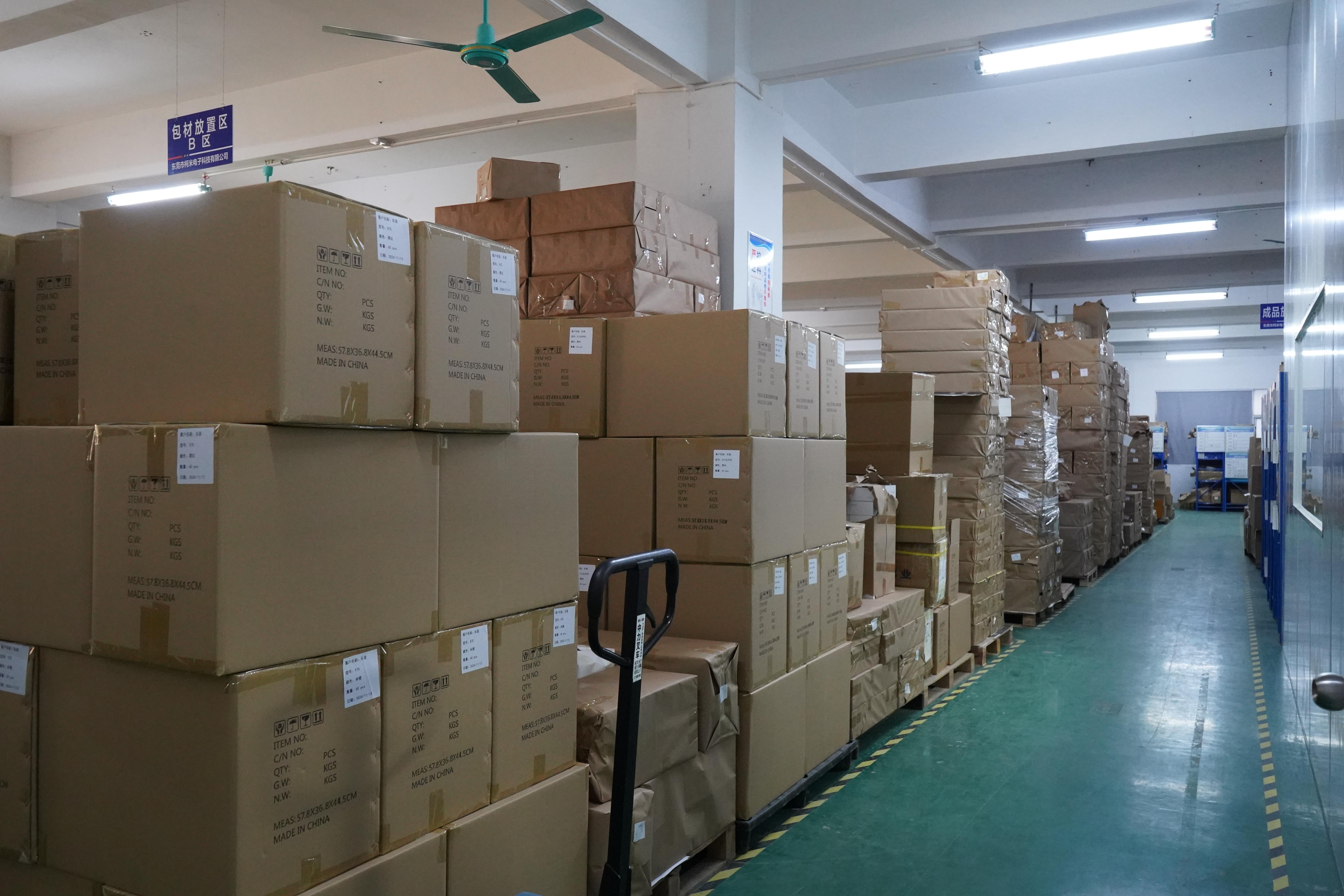 Factory reference · Packed goods storage
Define packaging artwork, printed information and shipment needs as part of the same product brief.
Options, minimum quantities, costs and timing depend on the model and confirmed scope.
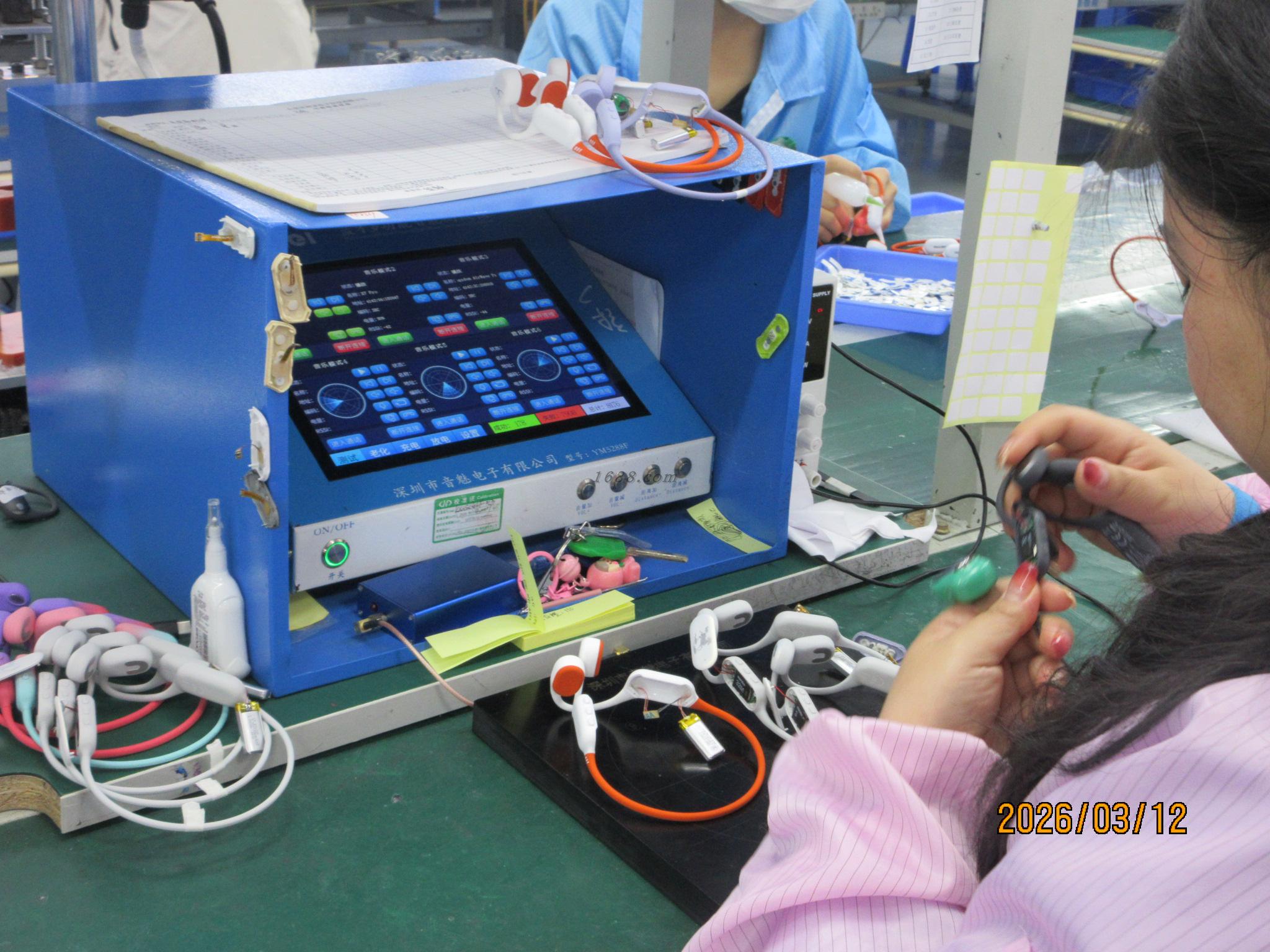 Factory reference · Product test station
Review the selected model’s hardware, controls and supported firmware options. Agree on the changes and validation needed for your project.
Options, minimum quantities, costs and timing depend on the model and confirmed scope.
Explore real factory photographs of assembly, test workstations and storage. Filter the gallery to take a closer look.
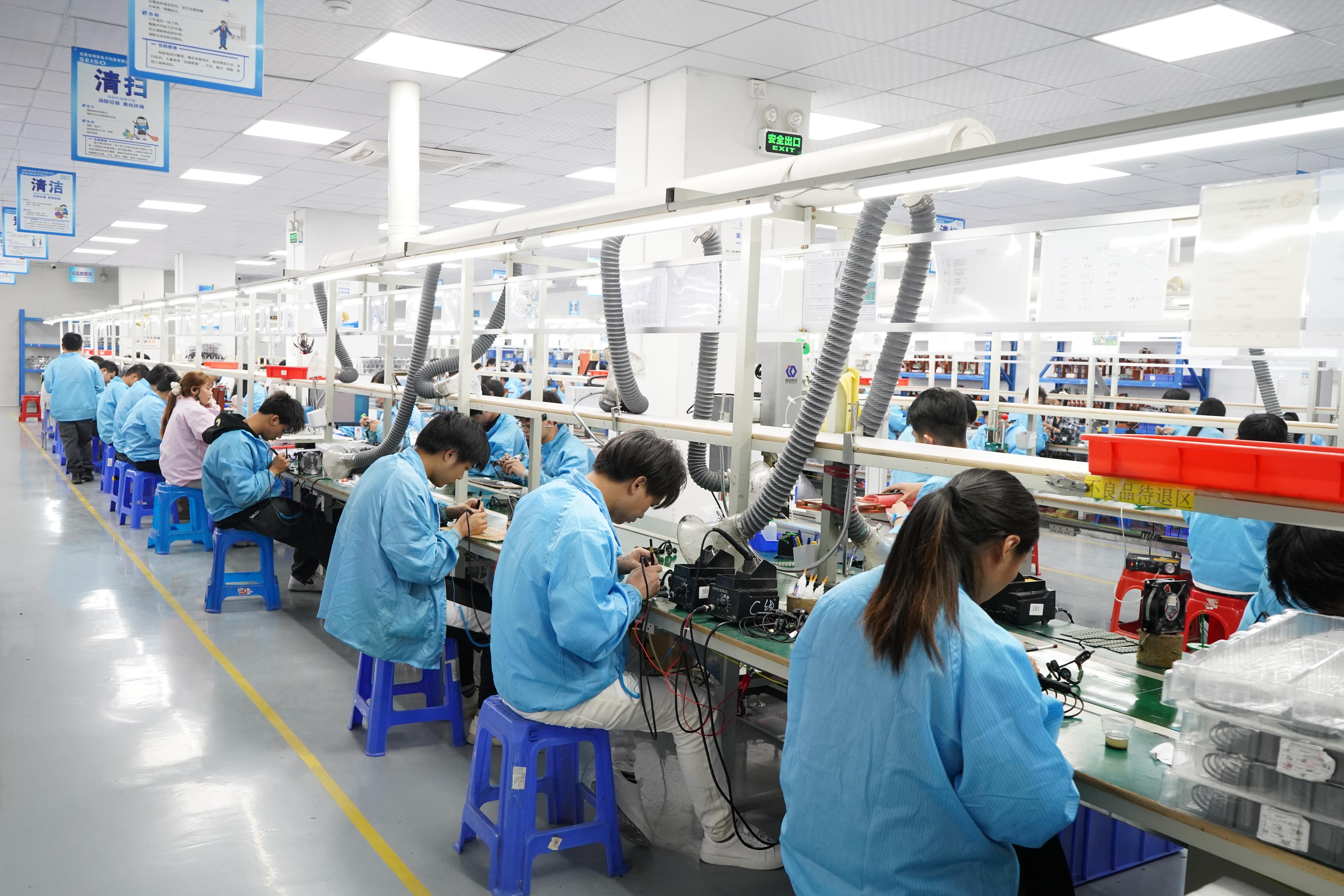
Inspection criteria, test scope and product documents are agreed for your selected model, order configuration and destination market.
Start from an existing product or discuss a development brief. The route depends on how much needs to change.
Start with an available model and define the brand details and supported configuration changes.
Discuss the users, product concept and engineering changes, then review feasibility and development milestones.
Keep product choices, sample approvals and production planning connected from the beginning.
Tell us the market, intended users, preferred model and quantity.
Evaluate fit, sound, controls and the requested brand details.
Confirm configuration, artwork and the agreed inspection criteria.
Agree on production arrangements, packing and shipping requirements.
Choose a platform above and mark the details you want to discuss. Copy the summary and share it through our contact page.
A few practical details to help you prepare your OEM or ODM brief.
MOQ depends on the model, customization options and project scope. Share the selected platform and requirements so the team can confirm the applicable quantity.
Yes. Tell us the model and sample requirements. Availability, preparation time, sample costs and shipping arrangements will be confirmed for your request.
Logo application, colors, packaging and supported product configuration can be discussed. Engineering changes require a feasibility and scope review.
Timing depends on quantity, materials, customization and sample approvals. Confirm the schedule after the specification and order scope are agreed.
Ask for specifications and available test reports relevant to the selected product, configuration and destination market. Check the document scope before launch planning.
Discuss the destination, packing and shipment requirements with the team. Shipping options, responsibilities and costs are confirmed in the project quotation.
Start with a model, a market and a clear brief.


